

5 Best Coffee Beans for Chocolate Flavor Notes
Table of Contents
- Quick Comparison: 5 Best Coffee Beans for Chocolate Flavor Notes
- How We Evaluated These Chocolate Flavor Coffee Beans
- 1. French Roast: Dark Chocolate and Smoky Depth
- 2. Brazil Santos: Smooth Cocoa and Natural Sweetness
- 3. Sumatra: Earthy Dark Chocolate with Syrupy Body
- 4. House Blend: Sweet Chocolate with Bright Citrus Finish
- 5. Mocha: Rich Chocolate Decadence, Naturally Infused
- The Best Roast for Chocolate Flavor in Coffee
- Frequently Asked Questions
Last Updated: October 12, 2026
Quick Comparison: 5 Best Coffee Beans for Chocolate Flavor Notes
If you want the 5 best coffee beans for chocolate flavor notes, the short answer is this: dark and medium-dark roasts from Brazil, Sumatra, and Central America deliver the most consistent cocoa character, and freshness matters as much as origin.
Here is the fast version before we break each one down.
| Coffee | Roast Level | Chocolate Character | Body | Acidity | Price |
|---|---|---|---|---|---|
| French Roast | Dark | Dark chocolate, charred oak, brown sugar | Full | Low | $18.99 |
| Brazil Santos | Medium-dark | Smooth cocoa, natural sweetness | Medium-full | Low-medium | $23.99 |
| Sumatra | Medium-dark | Earthy dark chocolate, dried fruit | Syrupy, full | Medium | $23.99 |
| House Blend | Medium | Sweet chocolate, mild citrus | Medium | Medium | $23.99 |
| Mocha | Medium | Rich chocolate, naturally infused | Medium | Medium | $23.99 |
Chocolate notes in coffee are not added flavor. They come from the bean itself: origin, variety, processing, and roast level all shape how much cocoa lands in your cup. A common mistake is chasing "chocolatey" blends that are actually flavored syrups in disguise. The five coffees below earn the description honestly.

Here is how we judged them.
How We Evaluated These Chocolate Flavor Coffee Beans
Most lists tell you a coffee "tastes like chocolate" and stop there. That is not enough to choose confidently.
Our six tasting criteria
- Chocolate intensity, How clearly cocoa reads as the lead note on a 1-5 scale, from a soft background sweetness to a dominant, unmistakable chocolate character.
- Chocolate type, Whether the note leans dark chocolate (bittersweet, roasted, sometimes smoky), milk chocolate (rounder, sweeter, creamier), or raw cacao (drier, more bitter, less sugar).
- Sweetness, Whether the chocolate arrives with natural sugar-like sweetness or finishes dry and bitter.
- Body, Light and tea-like, medium, or full and syrupy. Body determines whether the chocolate note feels thin or rich.
- Acidity, Low, medium, or high. Bright acidity can cut through chocolate and add citrus; too much can clash with it.
- Finish, What lingers after you swallow: clean cocoa, smoky char, dried fruit, or a lingering sweetness.
We also weighed roast level, origin, variety, and processing because those are the levers that actually create chocolate notes, not marketing copy.
Whole beans vs. artificially flavored coffee
This matters more than most buyers realize.
How to tell them apart:
- Ingredient list: Whole-bean coffee should list coffee only. If you see "natural flavors," "flavoring," or cocoa additives, it is flavored coffee.
- Smell before brewing: Naturally chocolatey beans smell like roasted coffee with cocoa undertones. Flavored beans smell strongly of chocolate straight from the bag.
- Taste after brewing: Natural notes fade and evolve as the cup cools. Artificial flavoring often tastes flat, thin, or chemical in hot water.
Every coffee in this guide is whole bean and earns its chocolate description from the bean itself, no sprayed-on flavoring.
Freshness standard
Every option here is whole bean, roasted to order, and shipped within 2-3 days of roasting. According to Specialty Coffee Association guidance on freshness, roasted coffee degrades quickly once exposed to oxygen, which is why roast date matters more than a "best before" stamp.
A few things we did not do. We did not reward artificial flavoring, and we did not rank on price alone.
1. French Roast: Dark Chocolate and Smoky Depth
French Roast is the boldest chocolate expression in this lineup, and it is our top pick for anyone who wants dark chocolate as the dominant note.
Here is the part most dark roasts get wrong. They hide behind char.
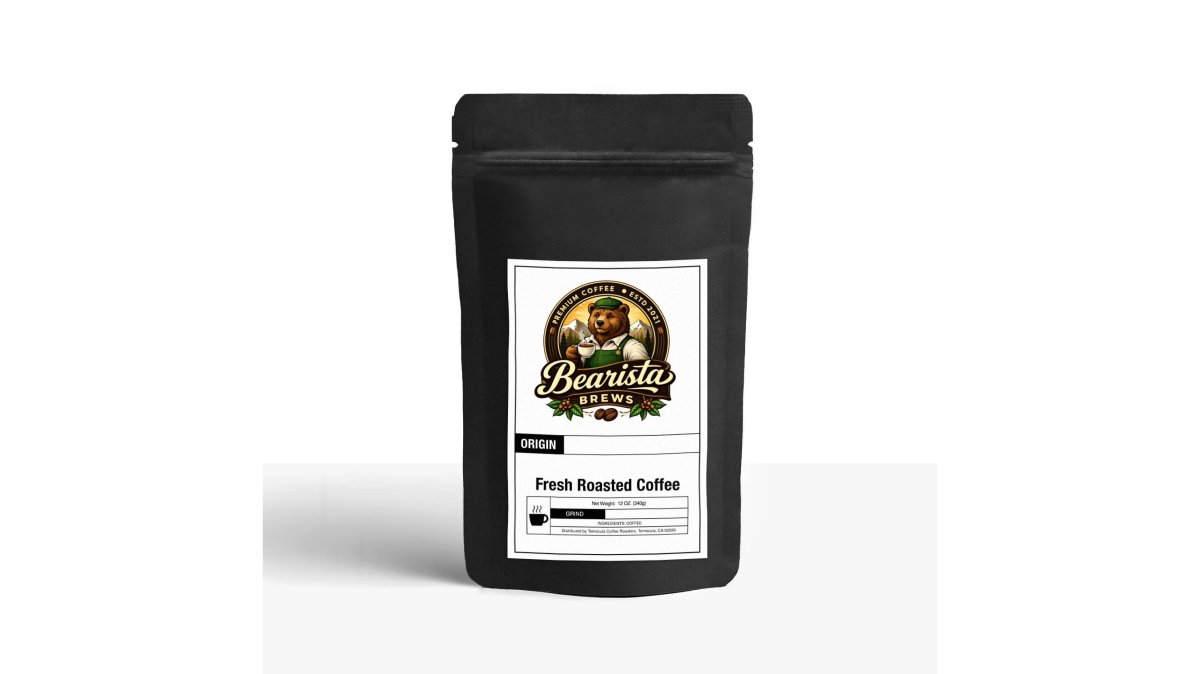
Best for: French press, drip, espresso, and Moka pot. Best enjoyed black or with a splash of cream.
Pros:
- Dark chocolate leads clearly, with smoky depth behind it
- Low acidity suits people who find bright coffees harsh
- Works across nearly every brewing method
Cons:
- The smoky edge can overpower delicate pour-over methods
- Not the pick if you want fruit or floral notes alongside your chocolate
At $18.99, it is the lowest-priced bag in this guide.
2. Brazil Santos: Smooth Cocoa and Natural Sweetness
Brazil Santos is the smoothest cocoa-forward coffee here, and it is the best starting point if you are new to chasing chocolate notes. The cup is elegant and clean, with cocoa notes and a clean finish rather than a heavy, syrupy weight.

The detail that matters: these beans come from Fazenda Santa Barbara in Paraná and São Paulo, grown at 750-1,050 metres.
Best for: Drip and pour-over, where the smooth cocoa and natural sweetness show best.
Pros:
- Cocoa note is smooth and sweet, never sharp
- Clean finish makes it easy to drink black
- Forgiving across grind sizes
Cons:
- Less intensity than the dark roasts if you want a punchy cup
- The subtle sweetness can get lost with heavy milk or sugar
3. Sumatra: Earthy Dark Chocolate with Syrupy Body
Sumatra delivers the heaviest, most complex chocolate note of the five, with an earthy, syrupy body and dark chocolate layered over dried fruit. This is the coffee for someone who wants their chocolate note to feel like an experience, not a background hum.
The process behind it is unusual. These beans come from the Koperasi Baitul Qiradh Baburrayyan cooperative in Aceh, Takengon, grown at 1,100-1,600 metres.
Best for: French press and Moka pot, where the heavy body has room to show.
Pros:
- Deepest, most layered chocolate flavor in the lineup
- Syrupy body holds up beautifully with milk
- Long finish that lingers
Cons:
- The earthy, savory edge is polarizing; some drinkers want pure sweetness
- Medium acidity may be more than low-acid drinkers prefer
4. House Blend: Sweet Chocolate with Bright Citrus Finish
House Blend is the balanced option: sweet chocolate up front with a mild citrus lift on the finish. It is a medium roast of select coffees from Central and South America, and it is the most versatile bag here for everyday brewing.

The flavor notes run nutty, sweet chocolate, mild citrus, and a clean bright finish. Beans are natural/dry processed and wet mill washed, then sun-dried, grown at high elevation.
Best for: Drip, pour-over, and cold brew. The bright finish makes it a strong iced coffee.
Pros:
- Chocolate and citrus balance keeps it from tasting heavy
- Consistent, reliable flavor across bags
- Works hot or iced
Cons:
- Chocolate note is softer than the dark roasts
- The citrus finish is not for drinkers who want zero brightness
5. Mocha: Rich Chocolate Decadence, Naturally Infused
Mocha is the most chocolate-forward coffee in the lineup, and it earns that position without artificial flavoring. Rich chocolate decadence is gently infused into a medium roast specialty-grade Arabica bean, applied while the beans are still warm from the roaster.
This is the key distinction from supermarket "mocha" products. Those usually rely on artificial chocolate flavoring sprayed onto low-grade beans. Here, the chocolate is all natural, and it sits on top of a real specialty-grade base rather than masking a poor one.
Best for: Drip and French press. Also excellent as the base for a homemade mocha without added syrup.
Pros:
- Strongest, most direct chocolate flavor of the five
- No artificial flavoring
- Doubles as a dessert-style coffee without extra syrup
Cons:
- The infused chocolate can mute the bean's own origin character
- Purists who want terroir-first coffee may prefer a single origin
The Best Roast for Chocolate Flavor in Coffee
The best roast for chocolate flavor in coffee is a medium-dark to dark roast.
That said, roast level is only one lever.
How origin and processing actually create chocolate notes
- Brazil (pulped natural, Catuai/Mundo Novo): Lower elevation and pulped natural processing leave fruit sugars on the bean, which roast into smooth cocoa and natural sweetness. The chocolate reads clean and mild.
- Sumatra (wet-hulled, Typica/Ateng): Giling Basah wet-hulling removes the parchment while the bean is still wet, creating an earthy, syrupy body. The chocolate here is darker and more layered, often with dried fruit.
- Central America (washed, Bourbon/Caturra): Washed processing gives a cleaner cup, so chocolate often arrives alongside citrus or nutty notes rather than as a heavy, syrupy lead.
A common oversimplification is that geography alone guarantees chocolate. It does not.
If you want chocolate and caramel notes together, look for medium-dark roasts with a natural or pulped natural process.
Match the bean to your brewing method
This is where most guides stop, but it is where the chocolate note is won or lost.
- Espresso: Medium-dark to dark roasts with full body. The pressure concentrates cocoa and sweetness; low-acid beans like French Roast or Brazil Santos resist the bitterness that high-acidity beans can show under pressure.
- Drip: Medium to medium-dark roasts. House Blend and Brazil Santos shine here because their balanced acidity keeps the cup from tasting flat as it sits.
- French press: Full-bodied medium-dark to dark roasts. Sumatra and French Roast are ideal, the metal filter lets oils through, which carries chocolate and earthy notes into the cup.
- Pour-over: Medium roasts with cleaner profiles. House Blend works best; very dark or smoky roasts can overwhelm the delicate paper-filtered cup.
- Moka pot: Medium-dark to dark roasts. French Roast and Sumatra hold up to the concentrated, stovetop pressure without turning ashy.
How to brew chocolatey coffee: use water just off the boil, around 195-205°F, and a ratio of 1-2 tablespoons of ground coffee per 6 ounces of water.
Frequently Asked Questions
Are chocolate flavor notes in coffee natural?
Yes, chocolate notes develop naturally during roasting. As coffee beans roast, sugars caramelize and Maillard reactions create compounds that taste like cocoa, dark chocolate, or caramel. Origin, variety, and processing method also influence these flavors. Brazilian and Sumatran beans often show the strongest natural chocolate character. Bearista Brews' Flame-Tuned roasting process develops these notes while eliminating bitter char, so the chocolate flavor comes through clean and smooth without any artificial additives.
Which coffee roast is best for chocolate notes?
Medium to dark roasts typically deliver the strongest chocolate flavor. Medium roasts preserve sweetness and caramel notes that complement milk chocolate and cocoa tones. Dark roasts push toward dark chocolate, toasted cedar, and smoky depth. The best roast for chocolate flavor in coffee depends on your preference: medium for balanced sweetness, dark for intensity. Bearista Brews' Cowboy Blend combines both roast levels to create layered cocoa, caramel, and vanilla notes in one cup.
Do chocolate-note coffee beans work well for espresso?
Absolutely. Chocolate-forward beans are ideal for espresso because the concentrated extraction amplifies cocoa and caramel flavors. Dark roasts with full body and low acidity hold up under pressure without turning bitter. Bearista Brews' 6 Bean Blend is built specifically for espresso, combining six origins into a rich, bold base with deep chocolate complexity. Use a fine grind and aim for a 25-30 second extraction to get the fullest chocolate flavor from your shot.
How do you brew coffee to bring out chocolate notes?
Use water just off boil (195-205°F) and a ratio of 1-2 tablespoons of ground coffee per 6 oz of water. French press and Moka pot extraction methods highlight chocolate and caramel notes because they preserve oils and body. For drip, use a medium-coarse grind. Bearista Brews recommends steeping French press for 4 minutes and pressing slowly. Avoid over-extraction, which introduces bitterness that masks chocolate flavors. Freshly roasted beans, like those shipped within 2-3 days of roasting, deliver the most pronounced tasting notes.
How can you tell whether coffee has chocolate tasting notes?
Check the roaster's tasting notes first. Look for terms like cocoa, dark chocolate, milk chocolate, or cacao. Brew a small cup black and note the aroma before sipping. Chocolate notes usually appear in the middle of the sip and linger in the finish. If you add milk, chocolate flavors often become more pronounced because dairy enhances cocoa perception. Bearista Brews lists detailed flavor notes for every product, so you know exactly what to expect before you buy.