

Premium Coffee Beans for Home Brewing: 2026 Guide
Table of Contents
- How to Choose Coffee Beans: A Framework for Home Brewers
- The Best Whole Bean Coffee for Drip Coffee Maker Brewing
- Coffee Beans for Home Espresso: Matching Beans to Pressure
- Single-Origin vs Blends: Which Premium Coffee Beans Suit Your Brew Method?
- Freshness, Storage, and Whole Bean vs Pre-Ground: What Actually Preserves Flavor
- Coffee Subscription Services: Are They Worth It for Freshness?
- Budget Tiers and Value Per Cup: What Premium Coffee Beans Really Cost
- Conclusion
- Frequently Asked Questions
Last Updated: October 11, 2026
How to Choose Coffee Beans: A Framework for Home Brewers
Choosing premium coffee beans for home brewing comes down to three variables: roast level, origin, and freshness. Get those right and the brewing method matters far less than most guides admit.
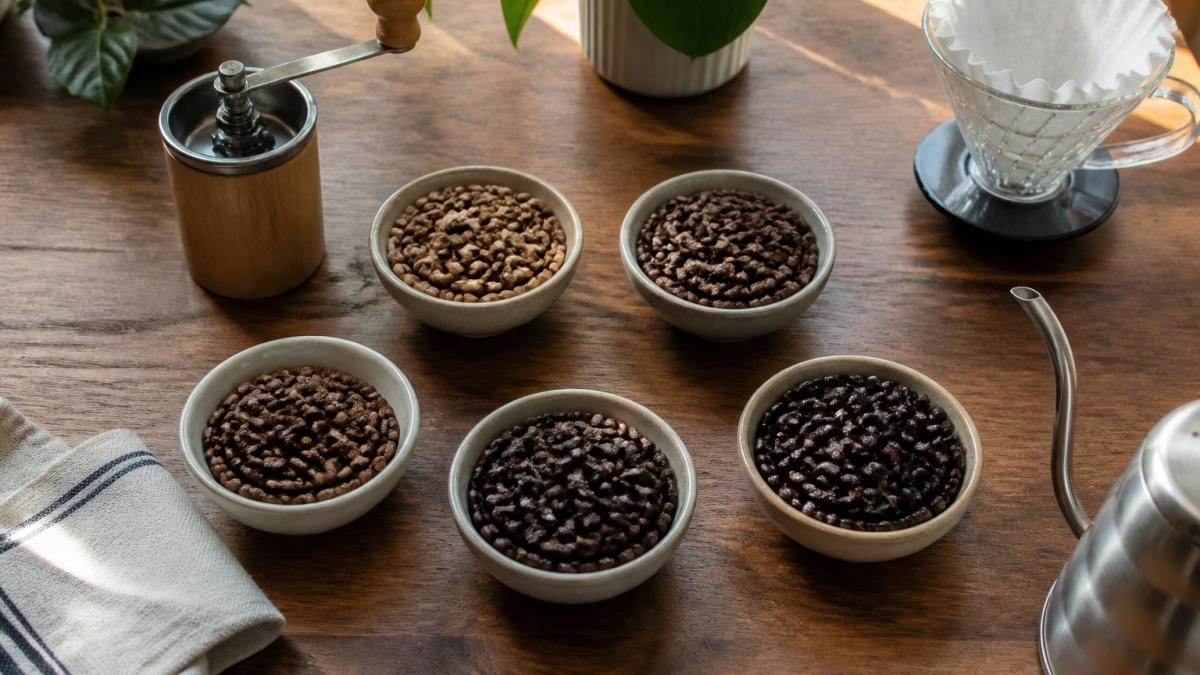
Most bean-buying guides get one thing wrong: they treat roast level as a flavor preference. It is a structural decision that determines which brewing methods the bean can survive.
Roast Level, Origin, and Freshness: The Three Levers That Matter
Roast level describes how long and how dark a bean is developed, and it controls how much of the origin's character survives to the cup.
Origin tells you what the bean tasted like before roasting. A Kenyan and a Brazilian bean from the same roaster will never converge.
Freshness is the lever people underestimate. Coffee degrades from the moment it leaves the roaster, and the Specialty Coffee Association's freshness guidance treats roast date, not best-before date, as the number that matters.
| Lever | What It Controls | Quick Check |
|---|---|---|
| Roast level | Body, bitterness, sweetness balance | Match to brew method |
| Origin | Acidity, fruit, terroir character | Read tasting notes first |
| Freshness | Aroma, complexity, overall life | Look for a roast date |
The Best Whole Bean Coffee for Drip Coffee Maker Brewing
The best whole bean coffee for drip coffee maker brewing is a medium roast with a balanced, forgiving profile. Drip machines run hot and slow, so beans that need precision flatten out. Brazil Santos and a well-built house blend are the two safest picks.

Why Brazil Santos and House Blend Excel in Drip Machines
Brazil Santos is pulped natural and sun-dried, building body and sweetness without pushing acidity. In a drip basket that means a smooth cup with cocoa notes and a clean finish, and it does not punish a slightly off grind.
Our House Blend does the same job through blending: nutty, sweet chocolate, mild citrus, clean bright finish. Medium roast, consistent bag to bag.
Coffee Beans for Home Espresso: Matching Beans to Pressure
Coffee beans for home espresso need density and structure, because espresso forces water through the puck at pressure and exposes every weakness. A bean that tastes fine in a French press can taste hollow or sour at nine bars.
The 6 Bean Blend and African Espresso Advantage
Our 6 Bean Blend is built for this: six origins, dark roast, developed to hold its shape under pressure. Rich, bold, consistent, and forgiving across grind settings if you are dialing in a new machine.
The African Espresso is the more interesting choice: Kenya, Tanzania, and Ethiopia in one medium-dark blend, giving East African brightness with the body of a darker roast. It rewards a good grinder.

Single-Origin vs Blends: Which Premium Coffee Beans Suit Your Brew Method?
Single-origin coffee comes from one defined region, farm, or cooperative, and exists to express that place. Blends combine origins to hit a target flavor the roaster controls. Neither is better; the practical question is which one your brewing method can show off.
A Method-by-Method Guide to Matching Beans and Brewing
Most bean guides stop at "single origins for pour-over, blends for espresso." That is directionally right but useless at 6 a.m. Here is how the two categories behave across the five methods most home brewers own, with starting parameters you can adjust from.
| Method | Best Bean Type | Grind (starting point) | Ratio | Water Temp | Why |
|---|---|---|---|---|---|
| Pour-over (V60, Chemex) | Single origin, light to medium-light | Medium-fine (table salt) | 1:15 to 1:16 | 200-205°F | High clarity rewards acidity and fruit; paper filter strips oils so origin character reads clean |
| French press | Single origin or medium blend | Coarse (sea salt) | 1:12 to 1:15 | 195-205°F | Metal mesh keeps oils and body; coarse grind prevents silt and over-extraction |
| Drip machine | Medium blend or forgiving single origin | Medium | 1:16 to 1:17 | 195-205°F | Long contact time flattens delicate beans; balanced profiles hold up |
| AeroPress | Single origin, medium-light | Medium-fine to fine | 1:12 to 1:15 | 175-205°F | Short, pressure-assisted brew concentrates flavor; bright beans stay vivid |
| Espresso | Blend, or dense single origin | Fine (adjust to machine) | 1:2 in 25-30s | 200-205°F | Pressure exposes weakness; blends give consistency, dense single origins give character |
How to Read These Numbers
Grind and ratio are starting points, not rules. If a pour-over tastes sour and thin, go finer or hotter; if bitter and hollow, go coarser or cooler.
Home brewers often blame the bean when the real issue is grind consistency. A $20 burr hand grinder outperforms a $50 blade grinder on every method above, because blade grinders produce a mix of dust and boulders that extract unevenly.
When Single Origins Shine
For pour-over and AeroPress, single origins shine because those methods let you taste the difference. Our Kenya is the clearest example: bright acidity, orange, lemon, floral, effervescent. The Ethiopia Natural runs the other direction with milk chocolate, fruit, and caramel. Both are medium-light, reward a finer grind and slower pour, and taste muddy in a drip machine that runs too hot.

When Blends Win
For milk drinks or a daily house espresso, blends win on consistency: a blend tastes the same in March as it did in January. Our House Blend is built for drip and batch brewing; the 6 Bean Blend is built for espresso. Neither expresses a single farm; both taste the same every time, which is what you want when dialing in a new machine or making a latte for someone who does not want a surprise.
A Note on Tasting Methodology
To compare a single origin against a blend fairly, brew them side by side with the same grinder, ratio, and water. Taste at three temperatures: hot, warm (five minutes), and cool (fifteen). Most of what separates a premium bean from a commodity bean shows up in the cool cup, where defects and hollow finishes become obvious, the same approach used in professional cuppings, scaled down for a home kitchen.
| Bean | Type | Roast | Best Brew Method |
|---|---|---|---|
| Kenya | Single origin | Medium-light | Pour-over, AeroPress |
| Ethiopia Natural | Single origin | Medium-light | Pour-over, French press |
| Colombia | Single origin | Medium | Drip, pour-over |
| Brazil Santos | Single origin | Medium | Drip, French press |
| House Blend | Blend | Medium | Drip, batch brewing |
| 6 Bean Blend | Blend | Dark | Espresso |
Freshness, Storage, and Whole Bean vs Pre-Ground: What Actually Preserves Flavor
Whole bean coffee stays fresh longer than pre-ground because grinding exposes surface area to oxygen, and oxygen is what kills aroma.
Storage matters less than people think, but the basics hold: airtight, dark, room temperature, away from the grinder.
The freshness question customers ask most is whether a 2-3 day shipping window really differs from coffee that sat for a week.
Coffee Subscription Services: Are They Worth It for Freshness?
Coffee subscription services are worth it if your problem is running out, not variety. A subscription solves the freshness gap by putting a roast date close to your brew date on a repeating schedule. But value depends on three things most subscription pages do not tell you: how fast the coffee ships after roasting, whether you can pause or swap, and the per-cup cost once shipping is included.
The Freshness Math
A bag of coffee is at its best roughly 4 to 14 days off roast for most brewing methods. Before day 4, fresh-roasted beans degas heavily and can taste sharp or inconsistent, especially in espresso; after 3 to 4 weeks, aroma and complexity fade noticeably even in a sealed bag. A subscription that ships within 2-3 days of roasting puts the bag in your hands inside that window; one that ships from warehouse stock does not, no matter how nice the box is.
The Cost-Per-Cup Comparison
Premium coffee beans cost more per bag than supermarket coffee, and the per-cup math usually favors the premium bag.
The real value question is waste. Cheap beans that go stale before you finish the bag cost more per drinkable cup than fresh beans you actually finish. Buy smaller, buy fresher, and the price gap narrows fast.
Subscription vs One-Off Buying: A Simple Framework
| Your Situation | Better Choice | Why |
|---|---|---|
| You drink the same bean daily and run out regularly | Subscription | Locks in freshness on a schedule; removes the reorder decision |
| You like rotating origins and roast levels | One-off buying | Subscriptions default to the same bag; flexibility matters more than convenience |
| You brew espresso and need consistency | Subscription to one blend | Dialing in a new bean every month wastes shots and coffee |
| You brew pour-over and want to explore | One-off buying, smaller bags | Lets you taste across origins without committing to 12 ounces of something you dislike |
| You travel or brew irregularly | Pause-able subscription | Fixed schedules waste coffee when you are away |
Storage After the Bag Arrives
Whole bean coffee stays fresh longer than pre-ground because grinding exposes surface area to oxygen, and oxygen kills aroma. Grind immediately before brewing and you keep most of what the roaster worked for. Storage basics hold: airtight, dark, room temperature, away from the grinder. The freezer is fine if the bag is sealed and you do not thaw and refreeze repeatedly, portion into single-use amounts so you only open what you will brew.
What to Look For in a Subscription
- Roast date on the bag, not a best-before date. This is the single most important signal.
- Ship window stated clearly. "Ships within 2-3 days of roasting" is a real commitment; "freshly roasted" is not.
- Pause, skip, or swap options. Life changes; a subscription that cannot flex will waste coffee.
Our advice: subscribe to the bean you drink daily and buy the rest one bag at a time. The subscription keeps your default bag fresh; you keep the freedom to explore everything else.
Budget Tiers and Value Per Cup: What Premium Coffee Beans Really Cost
The real value question is waste. Cheap beans that go stale before you finish the bag cost more per drinkable cup than fresh beans you actually finish. Buy smaller, buy fresher, and the price gap narrows fast.
Conclusion
The hard part of buying premium coffee beans is not finding them, it is trusting that what arrives matches what the label promised.
Bearista Brews roasts every order individually using our Flame-Tuned process, which develops flavor without the bitter char that mass production leaves behind.
Find Your Perfect Roast and taste the difference a fresh roast date makes.
Frequently Asked Questions
What are the best coffee beans for home brewing?
The best beans depend on your brew method. For drip, medium roasts like Brazil Santos or House Blend deliver smooth, consistent cups. For espresso, dark roasts like 6 Bean Blend or African Espresso hold up under pressure. For pour-over, single origins like Ethiopia Natural or Kenya highlight bright, complex flavors. All Bearista Brews beans are roasted to order and ship within 2-3 days, so you get peak freshness regardless of which you choose.
Are whole beans better than pre-ground coffee for home brewing?
Whole beans stay fresh longer because the oils and aromatics are protected inside the bean. Once ground, coffee stales within days. For home brewing, buying whole bean and grinding just before brewing gives you noticeably better flavor. If you use a drip machine, a medium grind works well. For espresso, you need a fine grind. A burr grinder is the best investment for consistent results with any premium coffee beans.
How fresh should coffee beans be when you buy them?
Look for a roast date, not just a best-by date. Coffee peaks in flavor between 4 and 21 days after roasting. Bearista Brews roasts every order individually and ships within 2-3 days, so your beans arrive in that window. Beans sitting on a shelf for months lose the aromatics that make specialty coffee worth buying. If you cannot find a roast date, you are guessing at freshness.
Which coffee beans work best for espresso at home?
Espresso needs beans that hold up under pressure without turning bitter. Dark roasts and blends built for espresso work best. The 6 Bean Blend is a dark roast of six origins designed specifically for pulling shots, with rich, bold flavor. African Espresso combines Kenya, Tanzania, and Ethiopia for a medium-dark blend with brightness and body. Both are Flame-Tuned to develop deep flavor without the bitter char common in mass-produced espresso beans.
Is single-origin coffee or a blend better for home brewing?
Single-origin coffees highlight the distinct flavors of one region, like the dark fruit and cocoa of Uganda or the bright citrus of Kenya. Blends combine origins for consistency and balance, like House Blend with its nutty, chocolate profile. For exploring flavor, try single origins. For a reliable daily cup, blends are hard to beat. Many home brewers keep both on hand for different moods and brew methods.