

7 Best Coffee Roasts for Espresso: Ranked and Explained
Last Updated: November 1, 2026
Quick Summary
The best coffee roast for espresso is a dark or medium-dark roast, because darker beans dissolve more easily under pressure and stand up to milk without turning sour. Dark roasts extract predictably and deliver chocolate, caramel and smoky notes, making them the safest bet for most home bars. If you are new to dialing in, start with a dark roast.
- Espresso roast is a marketing label, not a roast level, and can be any degree of darkness.
- Light roasts need a finer grind and a longer ratio, often two to four clicks finer on a stepped grinder.
- Rest espresso beans roughly 5 to 14 days after the roast date, with dark roasts ready sooner.
- Start dialing in with 18 grams in and 36 grams out in 25 to 30 seconds.
- Store opened beans in an airtight, opaque container at room temperature, away from the fridge.
Table of Contents
- Quick Comparison: The Best Coffee Roasts for Espresso at a Glance
- What Makes a Coffee Roast Work for Espresso
- Dark Roast Coffee for Espresso: Bold, Forgiving and Built for Milk
- Medium Roast Coffee for Espresso: The Balanced Middle Ground
- Light Roast Espresso Beans: Bright Shots and Their Trade-Offs
- The Best Espresso Beans for Lattes and Cappuccinos
- Blend or Single Origin: Which Roast Style Fits Your Bar
- Freshness, Storage and Dialing In Across Roast Levels
- Frequently Asked Questions
Quick Comparison: The Best Coffee Roasts for Espresso at a Glance
The best coffee roast for espresso is a dark or medium-dark roast, because darker beans dissolve more easily under pressure and stand up to milk without turning sour. That is the short answer.
Below, we break down exactly how roast level changes what lands in your cup, where light roasts fight back, and which style suits your bar. Here is what most guides get wrong: they treat "espresso roast" as a roast level.
| Roast | Flavor Profile | Body | Best For | Price |
|---|---|---|---|---|
| Italian Roast | Dark chocolate, toasted cedar, smoky finish | Full | Straight shots and bold milk drinks | $23.99 |
| French Roast | Dark chocolate, charred oak, brown sugar | Full | Strong black espresso, cream | $18.99 |
| 6 Bean Blend | Rich, bold, consistent | Full | Everyday espresso, milk drinks | $23.99 |
| African Espresso | Bright fruit, layered, full body | Medium-full | Drinkers who want acidity with body | $23.99 |
| Latin American Blend | Nutty, mild fruit, cocoa | Medium-full | Balanced daily shots | $23.99 |
| Cowboy Blend | Cocoa, caramel, vanilla | Medium-full | Drinkers who want both roast levels | $23.99 |
| Brazil Santos | Smooth cocoa, clean finish | Medium | Sweet, low-acid espresso | $23.99 |
What Makes a Coffee Roast Work for Espresso
A coffee roast for espresso has to do one thing well: give up its soluble compounds quickly under pressure. Espresso forces hot water through a compact puck at high pressure, typically over a short shot time.
Roasting is a heat curve. As beans darken, sugars caramelize, acidity drops and the bean becomes more porous. The Specialty Coffee Association's roast curriculum breaks roast development into stages for anyone who wants the technical detail.
Roast Level, Solubles and the Pressure Test
Extraction is the process of dissolving flavor compounds from ground coffee into water. In espresso, pressure and a fine grind speed that process up, so the roast has less time to cooperate.
A practical rule of thumb: the lighter the roast, the finer you grind and the longer you push the shot. Light beans resist giving up their solubles, so they need more help.
Dark Roast Coffee for Espresso: Bold, Forgiving and Built for Milk
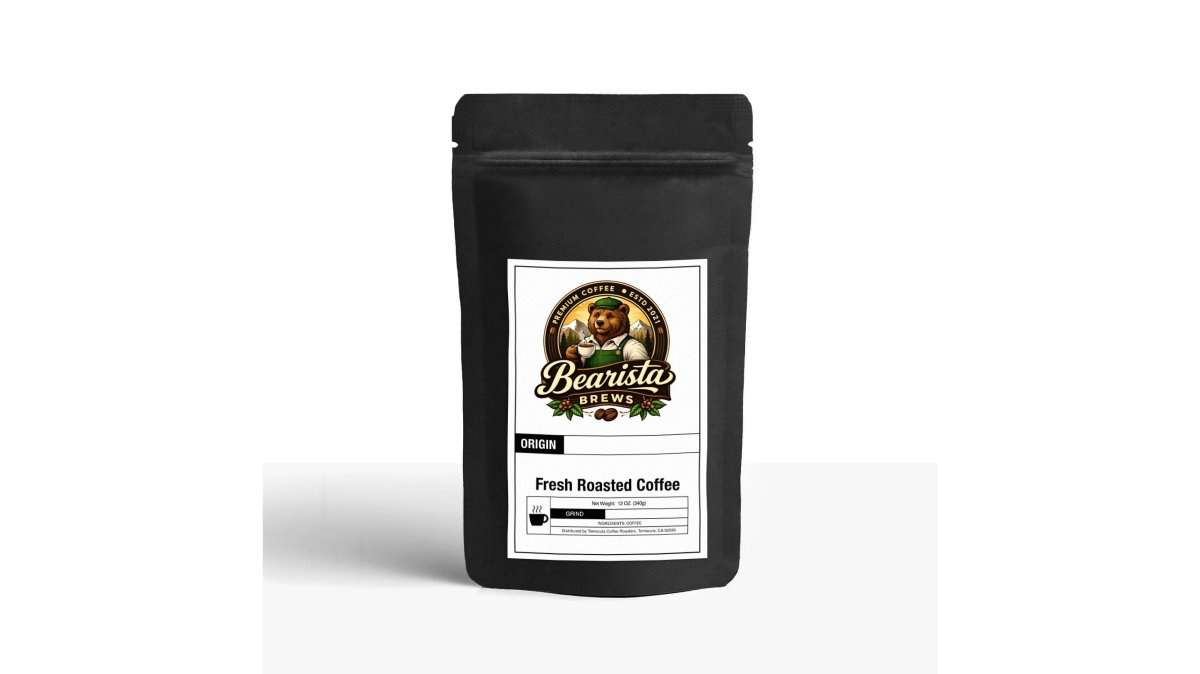
Dark roast coffee for espresso is the safest bet for most home bars. Our French Roast is a clean entry point at $18.99.
Watch out: dark roasts can mask origin character. If you want to taste where a bean came from, a dark roast will tend to bury it under roast flavor.
Italian Roast, French Roast and the Espresso Roast Label
Italian Roast is the darkest style in most roasters' lineups, and French Roast sits just behind it. Our Italian Roast runs dark chocolate, toasted cedar and a smoky finish with full body and low acidity.

Now the label problem. "Espresso roast" is not a roast level. It is a marketing term for a blend built to work in espresso, and it can be any degree of darkness.
Medium Roast Coffee for Espresso: The Balanced Middle Ground
Medium roast coffee for espresso gives you sweetness and body without the char. Beans at this level keep more of their natural sugars and origin character, so the shot tastes rounder and more complex.
Our Latin American Blend is a medium-dark roast with nutty hints, mild fruity tones and a gentle cocoa aftertaste. It is the bag we reach for when we want a balanced daily shot that works black or with milk.
Light Roast Espresso Beans: Bright Shots and Their Trade-Offs
Light roast espresso beans produce the most acidic, fruit-forward shots on the bar, and they are the hardest to dial in. The beans are dense and resist extraction, so they demand a finer grind, a longer ratio and more patience. Get it right and you get clarity and sweetness. Get it wrong and you get sour, thin espresso.
Why Light Roasts Fight the Espresso Machine
Light roasts are roasted to a lower internal temperature and for less time, so the bean structure stays denser and less porous. Under espresso pressure, water struggles to dissolve the sugars and acids locked inside.
A useful way to think about it: light roasts need more energy from the grinder and more time from the pump. That is why light-roast espresso recipes tend to run longer and finer than dark-roast recipes.
A Starting Recipe for Light-Roast Espresso
Most practitioners find a 1:2.5 to 1:3 ratio is a better starting point for light roasts than the classic 1:2. Try 18 grams in, 45 to 54 grams out, in 28 to 32 seconds. Grind finer than you would for a medium roast, often two to four clicks finer on a stepped grinder, and expect to adjust dose slightly upward if the shot still tastes sour. If the shot turns bitter or ashy, back off the grind or shorten the yield.
Temperature matters too. Light roasts often benefit from a slightly higher brew temperature, around 93-96°C (199-205°F) on machines that allow adjustment. Medium and dark roasts usually sit lower, around 90-93°C (194-199°F). Check your machine's manual before changing temperature, and change only one variable at a time.
When Light Roast Is the Right Choice
Light roast espresso shines when you want to taste the coffee itself: floral notes, citrus, stone fruit, tea-like body. It is the roast for straight shots you plan to sip and study, not for a six-ounce cappuccino where milk will bury the delicate acids.
If bright is your thing, our African Espresso balances East African brightness with dark-roast body. It is medium-dark, not light, which makes it a friendlier route to fruity notes without the full extraction fight.

Best for: drinkers chasing fruity, tea-like shots who are willing to dial in. Skip if: you want a set-and-forget grind or you mostly drink milk drinks.
The Best Espresso Beans for Lattes and Cappuccinos
The best espresso beans for lattes and cappuccinos are dark or medium-dark roasts with full body and low acidity. Milk dilutes flavor and adds sweetness, so a delicate light roast disappears in a six-ounce cappuccino. You need a roast that can push through the fat.
Our 6 Bean Blend is built for exactly this. It is a dark roast house blend of six origins, designed to hold up under pressure and stay consistent bag to bag. For a medium-dark option with more fruit, African Espresso works well in a flat white.
Blend or Single Origin: Which Roast Style Fits Your Bar
Blends win on consistency. Single origins win on character. A blend lets a roaster balance body, sweetness and acidity across several beans, which is why most espresso programs run on blends.
Blends are often a good fit for milk drinks and daily routine, and single origins for straight shots you want to study. Our Brazil Santos is a pulped-natural single origin with cocoa notes and a clean finish, and it makes a sweet, low-acid shot.

Freshness, Storage and Dialing In Across Roast Levels
Freshly roasted coffee peaks in flavor within days of roasting and fades from there. Roast date matters more than any best-by stamp. Bearista Brews roasts to order and ships within 2 to 3 days of roasting. For the full picture on shelf life, read how long fresh roasted coffee lasts.
Resting Beans After Roast: Why 'Fresh' Isn't Always 'Ready'
A bag that arrived yesterday is not automatically at its best. Coffee releases carbon dioxide for days after roasting, and that gas can interfere with espresso extraction, shots run foamy, blond early and taste sharp. Most roasters and baristas rest espresso beans for roughly 5 to 14 days after the roast date before pulling shots, depending on the roast level.
Packaging and Storage That Actually Protect Flavor
Oxygen, light, heat and moisture are the four enemies of roasted coffee. Look for bags with a one-way degassing valve and a roast date printed on the bag, not just a best-by date. Once opened, transfer beans to an airtight, opaque container and store them at room temperature, away from the stove, the window and the fridge. The fridge introduces moisture and odors; the freezer can work for long-term storage if beans are sealed in an airtight bag with as much air removed as possible, but it is overkill for a bag you will finish in two to three weeks. Buy in amounts you will use within about a month.
Dialing In Changes With Roast Level
Dialing in changes with roast level. Start with a 1:2 ratio, dose 18 grams in, 36 grams out, in 25 to 30 seconds. Dark roasts may need a coarser grind or a shorter ratio to avoid bitterness. Light roasts need a finer grind and a longer yield to coax out sweetness. Medium roasts sit in between and are the most forgiving starting point for a new bag.
Frequently Asked Questions
Is dark or medium roast coffee better for espresso?
Neither wins outright. Dark roast coffee for espresso is more forgiving: the beans are more porous, so they resist channeling and push through a full-bodied shot with low acidity and chocolate notes. Medium roast sits in the middle, keeping some sweetness and fruit while still extracting reliably. Dark suits milk drinks and classic Italian-style shots; medium suits drinkers who want balance. Try both at the same dose and shot time, then keep whichever tastes cleaner to you.
Can you use light roast espresso beans in a home espresso machine?
Yes, but they demand more from the setup. Light roast espresso beans are denser and less soluble, so they usually need a finer grind, a longer shot time and sometimes a higher brew temperature to extract fully. Under-extracted light roasts taste sharp and thin. If your grinder struggles at fine settings, start with a medium or medium-dark roast and move lighter once you can control the variables. Expect brighter acidity and fruity notes when it works.
What roast level is easiest to use in a home espresso machine?
Medium-dark to dark roasts are the easiest starting point. Their structure extracts predictably, so small grind errors show up less in the cup, and they produce steady crema. The 6 Bean Blend is a dark house blend of six origins. Once your dose, grind and shot time are repeatable, lighter roasts become far less frustrating to dial in.
How fresh should coffee beans be for espresso?
Use beans roughly 5 to 21 days past the roast date for espresso. Very fresh beans release carbon dioxide that disrupts extraction and creates uneven, foamy shots. Beans older than about a month lose aroma and flatten out. Check the roast date on the bag, not a best-before date, and buy from roasters who roast to order. Bearista Brews roasts to order and ships within 2 to 3 days of roasting.
Is Arabica or Robusta better for espresso?
Arabica brings sweetness, acidity and layered flavor notes; Robusta adds body, crema stability and a heavier caffeine punch. Most specialty espresso is Arabica-dominant, and a small Robusta share can thicken the shot and hold crema longer. Bearista Brews Italian Roast blends specialty-grade Arabica and Robusta for exactly that reason: full body and low acidity that hold up under pressure. Judge by the cup, not the species label alone.
Picking a coffee roast for espresso comes down to matching the bean to your drink and your patience. If you want bold, forgiving shots that shine in milk, start dark and work lighter as your dialing improves. Bearista Brews roasts to order using our Flame-Tuned process, ships within 2 to 3 days of roasting and offers single origins, blends and decaf. Get started with Bearista Brews and find the roast that fits your morning.
